Source herbal roll on pain relief gel for Muscle Strain, Sprain, and Arthritis
Find 19 herbal roll on pain relief gel options from China. Compare OEM/ODM services, active ingredients like menthol, and packaging specs for external use on muscular pain and stiffness.
Key considerations
Products List



Comprehensive Sourcing Guide
Herbal Roll On Pain Relief Gel Sourcing Guide
The global demand for herbal roll-on pain relief gels has surged as buyers seek non-invasive, topical solutions for managing musculoskeletal discomfort. These products typically leverage natural extracts like menthol, camphor, and eucalyptus oil to provide immediate cooling or warming sensations that alleviate muscle strain, sprains, and arthritis. Procurement teams must distinguish between formulations designed for external use only and those with specific transdermal delivery systems, as the application method significantly impacts both efficacy and regulatory classification.
Sourcing this category requires a nuanced understanding of the product's physical form and active ingredient concentration. While many listings highlight "herbal" as a primary attribute, the actual efficacy often depends on the precise percentage of active compounds, such as the 4% menthol concentration observed in specific models. Buyers should prioritize suppliers who clearly define their active ingredients and usage modes, ensuring the product aligns with the intended therapeutic goals for adult, middle-aged, and elderly demographics without causing adverse reactions on damaged skin.
Product Scope and Observed Listing Signals
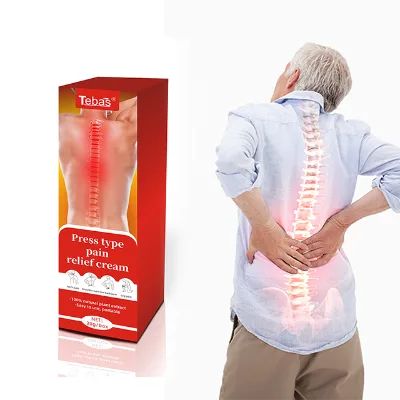
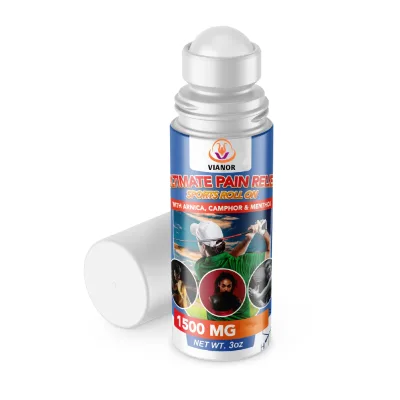
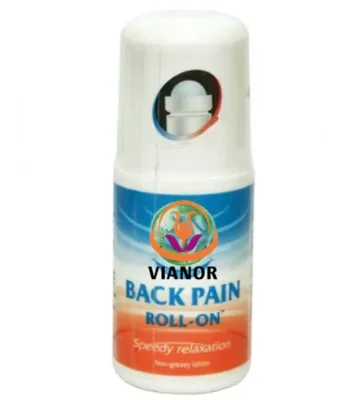
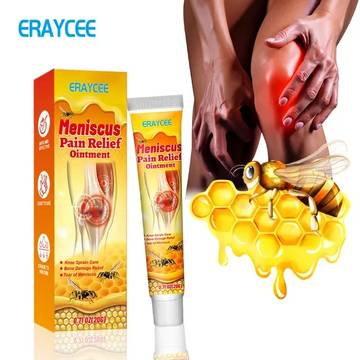
The market for herbal roll-on pain relief gels presents a diverse range of product configurations, from standard 45ml to 100ml bottles and specialized patch formats. Observed listings indicate that while the core function remains pain relief, the delivery mechanisms vary significantly, including roll-on applicators, gel patches, and adhesive patches with dimensions ranging from 10x14cm to 14.5x18cm. This variation necessitates a clear definition of the desired format, as the packaging and application method directly influence user experience and logistics costs.
Buyers must carefully evaluate the specific indications listed for each product to ensure they match the target market's needs. Common applications observed include relief for muscular pain, stiff necks, shoulders, and specific conditions like sciatic strain and psoatic strain. However, not all products are suitable for every condition; some are explicitly marked for external use only and carry warnings against application on wounds or damaged skin. Understanding these distinctions is critical for selecting the right SKU for a specific retail channel or therapeutic program.
Technical Specifications to Verify
When evaluating technical specifications, the concentration of active ingredients and the nature of the formulation are paramount. Buyers should verify if the product contains specific herbal extracts like Mentha oil or Eucalyptus oil and confirm the exact percentage of active agents, such as the 4% menthol found in certain models. The physical state of the product, whether it is a liquid gel, a hydrogel patch, or a spunlace fabric-based adhesive, determines the manufacturing process and the stability of the active ingredients during storage and transport.
Packaging and size specifications also play a crucial role in the final product's marketability and shelf life. Listings show a variety of standard sizes, including 3oz (89ml), 1.67oz (49ml), and custom dimensions like 7x10cm for patches. The packaging material, ranging from individual boxes to cartons, must be robust enough to protect the product from leakage or degradation. Additionally, the shelf life, which can extend up to three years for certain formulations, should be clearly stated to ensure inventory management aligns with the product's stability profile.
Compliance and Safety Documentation
Regulatory compliance is a non-negotiable aspect of sourcing herbal pain relief gels, particularly given the health claims associated with these products. Buyers must request and verify certifications such as GMP, CE, MSDS, COA, and ISO13485, which indicate adherence to quality management systems and safety standards. The presence of these certifications suggests that the manufacturer has undergone rigorous testing and maintains a controlled environment, which is essential for products intended for topical application on sensitive areas.
Safety warnings and usage instructions must be clearly documented and compliant with the destination market's regulations. Products are frequently labeled with "For External Use Only" warnings and specific contraindications, such as avoiding application on wounds or damaged skin. Procurement teams should ensure that the supplier provides comprehensive safety data sheets and that the labeling accurately reflects the product's limitations, including the specific groups for whom the product is intended, such as adults and the elderly.
Cost Drivers and Commercial Terms
The pricing structure for herbal roll-on pain relief gels is influenced by several factors, including the complexity of the formulation, the concentration of active ingredients, and the customization level required. Observed price ranges in the market can vary from $0.10 to $4.04 per unit, reflecting differences in packaging, ingredient quality, and order volume. Buyers should anticipate that higher concentrations of active herbal extracts or specialized packaging formats will command a premium price point.
Minimum Order Quantities (MOQs) and lead times are critical commercial terms that vary widely across suppliers. The observed MOQ range spans from as low as 3 units to as high as 20,000 units, offering flexibility for both small-scale testing and large-scale distribution. Customization services, such as logo printing and tailored packaging, are often available but may increase the MOQ or extend the lead time. Buyers need to negotiate terms that balance cost efficiency with the need for product differentiation and market responsiveness.
Supplier Qualification and Quality Control
Selecting a qualified supplier involves verifying their manufacturing capabilities and their commitment to quality control. Suppliers offering OEM and ODM services should demonstrate the ability to customize products according to specific client requirements, including the formulation of herbal blends and the design of packaging. The availability of free samples, such as 2-4 patches, allows buyers to conduct preliminary quality assessments before committing to a larger order, ensuring the product meets their performance expectations.
Quality control processes should be transparent and documented, with a focus on consistency in ingredient sourcing and final product testing. Buyers should inquire about the supplier's origin, as many manufacturers are based in regions like Anhui or Hubei in China, which are known for their herbal medicine production. Verifying the supplier's track record in producing similar products and their adherence to international standards is essential to mitigate risks associated with product failure or regulatory non-compliance.
Long-Term Procurement Checks
Establishing a long-term procurement relationship requires ongoing monitoring of product performance and supplier reliability. Buyers should implement a system for tracking batch-to-batch consistency, ensuring that the active ingredient concentrations and physical properties remain stable over time. Regular audits of the supplier's quality management systems and certification renewals are necessary to maintain compliance and ensure that the product continues to meet safety and efficacy standards.
Market dynamics and consumer feedback should also be integrated into the procurement strategy to adapt to changing demands. As the market for herbal pain relief products evolves, suppliers may need to adjust their formulations or packaging to meet new trends or regulatory requirements. Maintaining open communication with suppliers regarding future product developments and potential supply chain disruptions will help buyers secure a reliable source of high-quality herbal roll-on pain relief gels for their business.
FAQs
What are the main ingredients in herbal roll on pain relief gel?
The main ingredients typically include herbal extracts such as camphor, menthol, mentha oil, and eucalyptus oil. These components work together to provide powerful pain relief through transdermal absorption. The formulation is designed to target muscular pain, stiff neck, and shoulder discomfort effectively for adults and older groups.
Can I customize the packaging and branding for bulk orders?
Yes, customization is available for bulk orders. Suppliers offer OEM and ODM services, allowing you to customize logos, packaging specifications, and product colors. You can choose between box or carton packing, and some vendors provide free samples to verify quality before committing to large production runs.
What certifications do herbal pain relief gel manufacturers hold?
Manufacturers typically hold certifications such as GMP, CE, MSDS, COA, and ISO13485. These standards ensure that the production processes meet international quality and safety requirements. Buyers should verify specific documentation with suppliers to confirm compliance with their local regulatory standards before placing orders.
How does the herbal roll on gel relieve pain?
The gel works through transdermal delivery of herbal extracts to relieve pain. It is applied externally to affected areas to soothe muscle strains, sprains, and arthritis. Users should avoid applying it on wounds or damaged skin. The product is strictly for external use and provides targeted relief for stiff necks and shoulders.
What are the standard specifications and sizes available?
Standard specifications include various sizes such as 3oz (89ml), 1.67oz (49ml), and roll-on options in 45ml, 75ml, or 100ml. Some products are available as patches with specific dimensions like 10x14cm or 14.5x18cm. Buyers can select from different models like OT-142 or XWY-2022 based on their needs.
Where are these herbal pain relief products manufactured?
These products are primarily manufactured in China, with specific origins noted in Anhui and Hubei provinces. Buyers can source from various factories located in these regions. It is advisable to confirm the exact manufacturing location with the supplier to ensure alignment with your sourcing preferences and logistics requirements.